Source Outdoor Public Playground Zip Line for Parks
Find 30 verified outdoor public playground zip line options for adventure parks, scenic spots, and residential districts. Compare steel and fiberglass models with CE and ISO certifications to select safe, durable equipment for your site; compare the available evidence and request quotations based on your requirements.
Key considerations
Products List





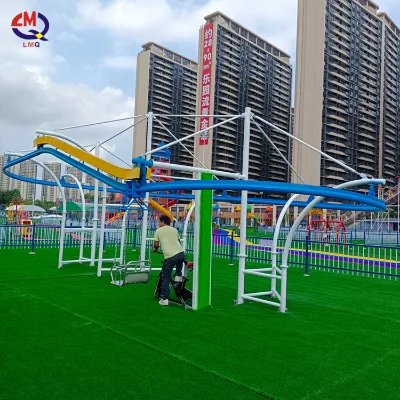
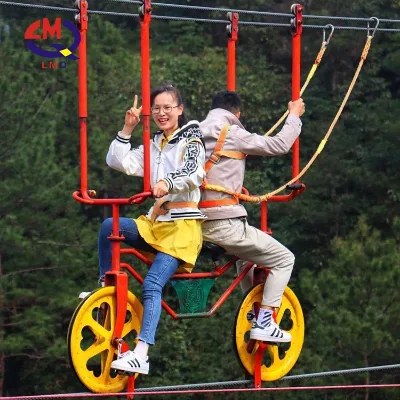


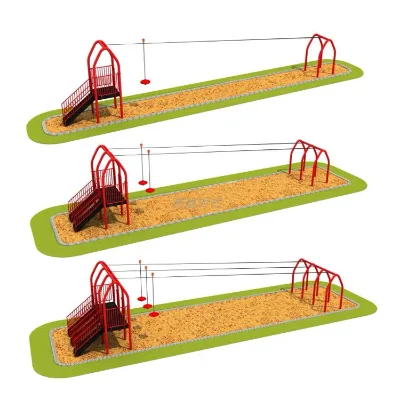
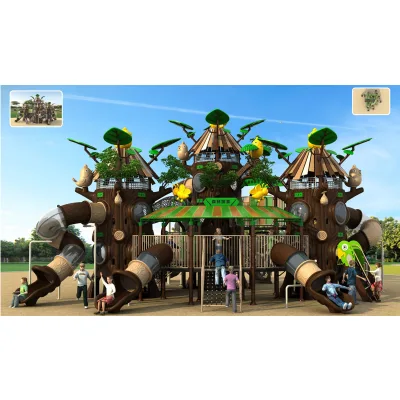


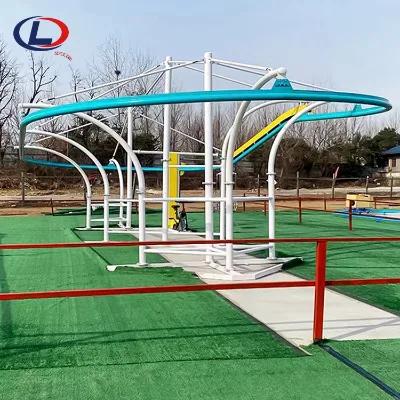
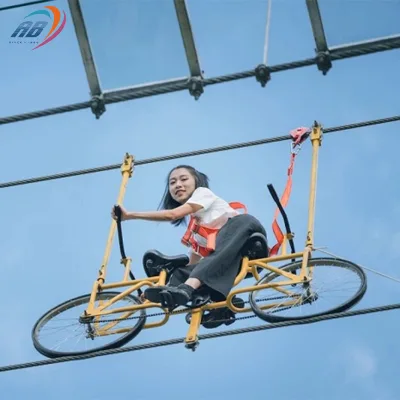
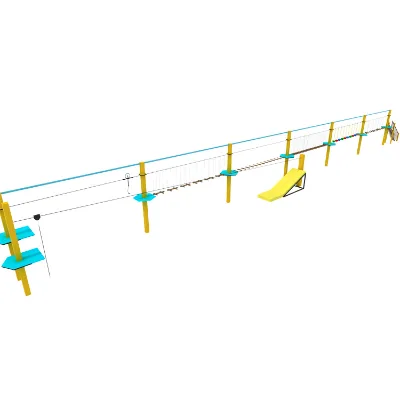
Comprehensive Sourcing Guide
Outdoor Public Playground Zip Line Sourcing Guide
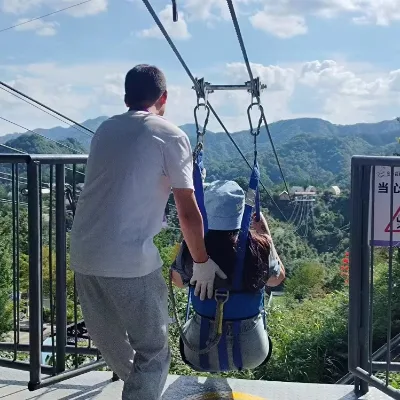
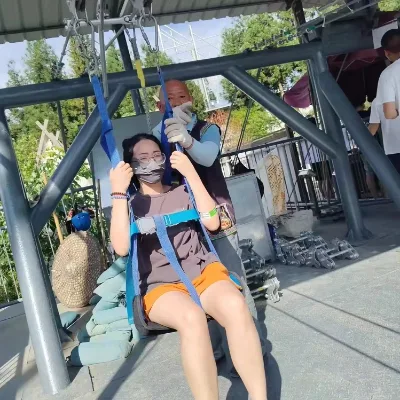
Procuring outdoor public playground zip lines requires careful evaluation of structural integrity and site adaptability, as these unpowered amusement units must withstand continuous heavy use in diverse environments. Buyers should prioritize suppliers offering solid wood rounded edge polishing combined with high-temperature treatments to ensure durability against weather elements like UV exposure and rain. The observed product range indicates a focus on hetero-type shapes with adjustable spans, allowing customization to fit specific site spacings in scenic spots or residential districts.
When selecting a unit, verify that the maximum jumping weight capacity meets or exceeds 100kg to accommodate a wide range of users safely. The enclosure height typically ranges between 1.5 and 2.5 meters, which must align with local safety clearance requirements for public spaces. Additionally, confirm that the installation method involves ground embedded part fixing to guarantee stability, as this is critical for preventing accidents in high-traffic areas like sports parks or adventure parks.
Product Scope and Observed Listing Signals
The market for outdoor public playground zip lines presents a diverse array of models, with observed listing prices ranging from 150 to over 10,000 USD depending on customization and scale. These products are generally categorized as unpowered outdoor play equipment, featuring materials such as steel and fiberglass to balance strength with weight. The observed minimum order quantity is often as low as one set, making these units accessible for small community projects or large-scale commercial developments alike.
Buyers must distinguish between standard configurations and non-standard customizations, as many suppliers support adjustable sizes and colors to match specific branding or site aesthetics. The product models identified, such as HW-WDX-HS-P1001 and P1003, demonstrate varying dimensions, with some exceeding 16 feet in length. It is essential to review the specific packing details, which often include thick cartons, bubble wrap, and solid wooden frames, to ensure safe transit and prevent damage during shipping.
Technical Specifications to Verify
Technical verification begins with the material composition, where steel and fiberglass combinations are standard for ensuring the necessary tensile strength and weather resistance. Buyers should confirm that the surface finish features smooth rounded edges with no sharp corners, a critical safety feature for preventing injuries during high-speed use. The allowable passenger capacity often exceeds 500kg, but the specific maximum jumping weight per user must be clearly defined to ensure the structure supports the intended demographic load.
Dimensional specifications vary significantly, with some models offering customizable sizes while others adhere to fixed standards like 1500240300mm. The service life is a key metric, with reliable units expected to last over eight years under normal outdoor use conditions. Verify that the product includes features like silicone or digital printing for logos, and ensure the single package size is compatible with your logistics capabilities, as oversized units may require specialized transport arrangements.
Compliance and Safety Documentation
Safety compliance is non-negotiable for public playground equipment, requiring adherence to international amusement equipment standards and specific safety norms for kids' playgrounds. The observed listings indicate certifications such as CE, ISO, TUV, and ISOGS, which serve as evidence of rigorous testing and quality control during the manufacturing process. Buyers must request valid certification documents to confirm that the zip line meets the required safety thresholds for public use in various jurisdictions.
Beyond general certifications, specific safety standards regarding structural integrity and load-bearing capacity must be verified against local regulations. The product should explicitly state compliance with international safety standards, ensuring that the design minimizes risks associated with high-impact activities. It is crucial to validate that the manufacturer provides a clear safety manual detailing installation procedures and maintenance schedules to maintain ongoing compliance with safety regulations.
Cost Drivers and Commercial Terms
The final cost of an outdoor public playground zip line is heavily influenced by the degree of customization required, including adjustments to size, color, and logo placement. While the base price may appear competitive, additional costs often arise from specialized packaging, overseas installation services, and the complexity of the site-specific installation method. Buyers should anticipate that non-standard customization requests will increase the unit price and potentially extend the lead time for production and delivery.
Commercial terms regarding the minimum order quantity are generally flexible, with many suppliers accepting orders for a single set. However, bulk orders may offer better pricing tiers, though the observed range suggests significant variance based on model complexity. It is vital to clarify whether the quoted price includes all necessary hardware for ground embedded part fixing or if these components are sold separately, as this can significantly impact the total project budget.
Supplier Qualification and Quality Control
Supplier qualification should focus on manufacturers with a proven track record, such as those boasting over 12 years of experience in non-powered amusement equipment. The observed data points to manufacturers located in regions like Guangzhou and Zhejiang, China, which are known for their robust manufacturing capabilities in this sector. Buyers should verify the manufacturer's ability to provide overseas installation services, as this adds significant value and reduces the risk of improper setup.
Quality control processes must be transparent, with suppliers offering solid wooden frame packaging to protect the product during transit. The craftsmanship, involving solid wood rounded edge polishing and high-temperature treatments, indicates a commitment to durability and safety. Buyers should request evidence of these processes, such as photos of the production line or quality assurance reports, to ensure that the final product meets the high standards expected for public playground equipment.
Long-Term Procurement Checks
Long-term procurement success depends on verifying the service life and maintenance requirements of the zip line to ensure sustained operational safety. The observed service life of over eight years under normal outdoor use suggests that high-quality materials and construction methods are in place, but regular inspections are necessary to maintain this lifespan. Buyers should establish a maintenance schedule that includes checking for UV damage, cracks, or wear on the fiberglass and steel components.
Additionally, the supplier's ability to support non-standard customization and provide spare parts is crucial for long-term viability. As the equipment ages, the availability of replacement parts and the manufacturer's willingness to support repairs will determine the total cost of ownership. Buyers should maintain a relationship with the supplier to ensure access to technical support and updates on safety standards, ensuring the playground remains a safe and engaging environment for years to come.
FAQs
How is an outdoor public playground zip line installed on site?
Most units use ground embedded part fixing, where foundations are cast and posts are anchored before the span is tensioned. Site size determines the span, and adjustable layouts can be customized to the available space. Plan for level ground, drainage, and impact zones, and arrange professional installation to ensure alignment and safe operation.
What is the maximum jumping weight and capacity of a playground zip line?
Listed models support a max jumping weight of at least 100kg and a total capacity above 500kg. These figures refer to structural load under normal use rather than the number of riders at once. Enforce one rider per session, post clear signage, and verify that repeated daily cycles stay within the stated limits.
Can the zip line size, color, and logo be customized for a project?
Yes, customization is available, including non-standard sizes, colors, and customized logos using digital or silicone printing. The span of the zip line can be adjusted according to site space, and shape variants such as heterotype layouts are offered. Confirm final drawings, materials, and lead times with the supplier before production begins.
What safety standards and certifications do these zip lines comply with?
Listed products carry CE and ISO certification, and some listings reference TUV and GS compliance along with international playground and amusement equipment safety standards. Certification scope can vary by model, so request the applicable certificates and test documents for the exact unit you intend to purchase before placing an order.
What materials and finishes protect the zip line against outdoor weather?
Common construction combines steel with fiberglass, using solid wood components with rounded edge polishing and high-temperature finishing where applicable. Outdoor resistance includes UV-proof, anti-crack, and rainproof performance. Smooth rounded edges with no sharp corners reduce injury risk, and normal outdoor use supports a service life of over eight years.
Where can a commercial zip line playground be installed?
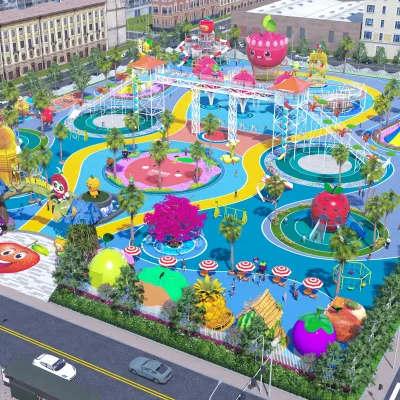
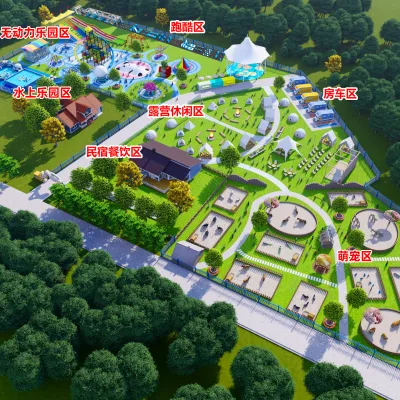
Suitable sites include kindergartens, residential districts, scenic spots, sports parks, adventure parks, and outdoor public playgrounds, with indoor use also possible. The equipment is unpowered outdoor play machinery, so plan for ground embedding, clearance along the full span, and supervisory sightlines. Match the layout to expected visitor volume and age groups.
How is the zip line packed and what is the minimum order quantity?
The minimum order quantity is 1 set, so single-unit procurement is possible. Packaging typically uses thick cartons, bubble wrap, and a solid wooden frame to protect components during export. Confirm packing specifications, shipping dimensions, and whether OEM packaging is required for your brand before finalizing the order.
What after-sales and installation support is available for overseas buyers?
Suppliers can provide overseas installation service, and customization support covers size, color, and branding details. Before ordering, clarify the scope of installation assistance, whether technicians travel on site or supervise remotely, spare parts availability, and response times. Get these service terms in writing so responsibilities during delivery and setup are clear.